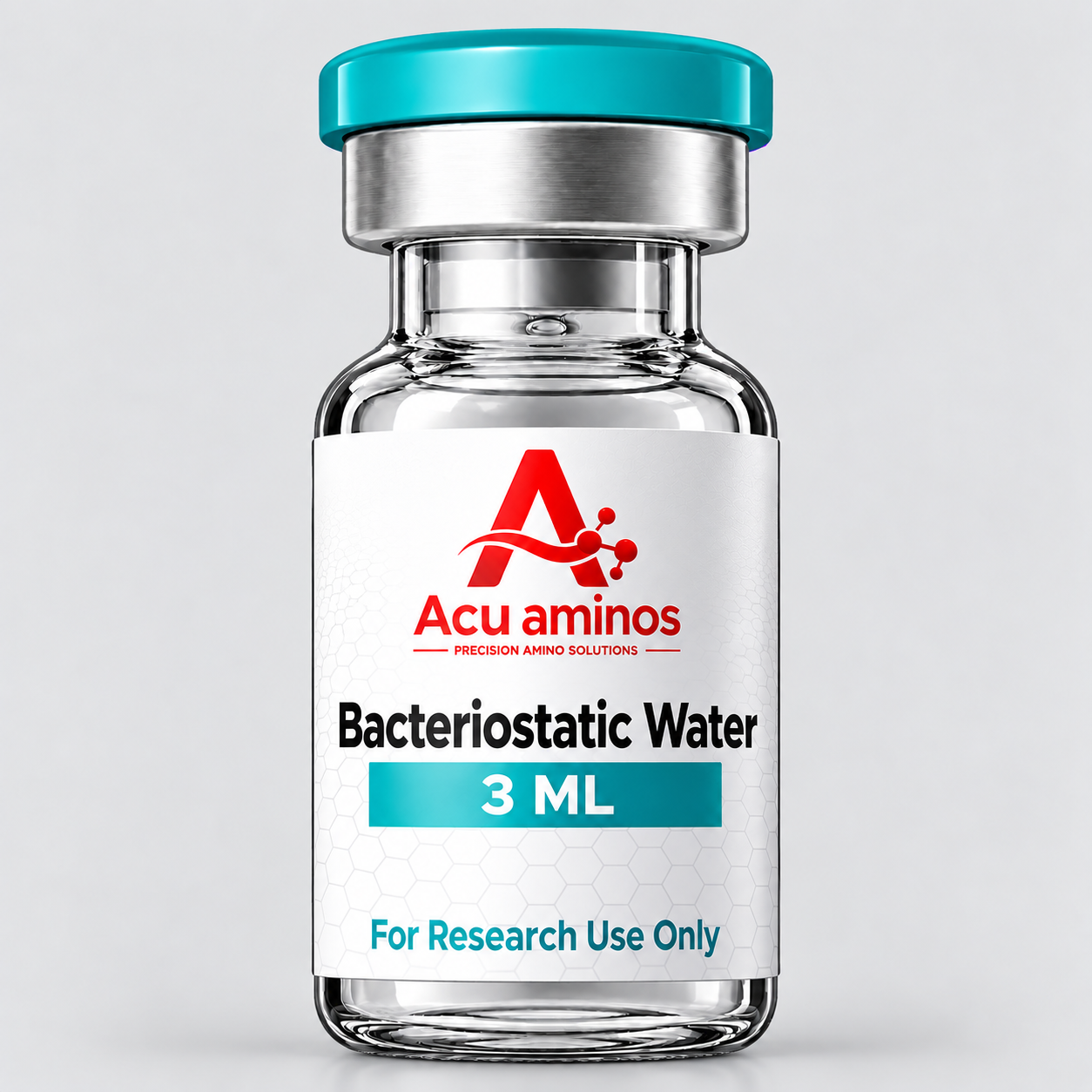
Bacteriostatic Water
From $5.99
Sterile, non-pyrogenic water containing 0.9% benzyl alcohol as a bacteriostatic preservative, in 3 mL and 10 mL multi-use vials. A laboratory diluent for preparing solutions of lyophilized research peptides. Research use only.
Overview
Bacteriostatic water is sterile, purified water to which 0.9% (v/v) benzyl alcohol has been added. The benzyl alcohol inhibits the growth of most bacteria that might be introduced when a multi-use vial is punctured repeatedly, which is why laboratories prefer it over plain sterile water for preparing peptide solutions that will be drawn from more than once.
Acu Aminos supplies bacteriostatic water in sealed 3 mL and 10 mL vials; choose the size above. The 10 mL size suits laboratories preparing several peptide stocks from one vial.
Chemistry & specifications
Benzyl alcohol (C₇H₈O) is an aromatic alcohol with broad bacteriostatic activity at 0.9% concentration. It does not sterilize; it slows microbial growth after the seal is broken. The water is USP-grade purified water, sterile-filtered and filled under aseptic conditions. Because benzyl alcohol can precipitate some proteins at high concentration, and is unsuitable for certain sensitive cell-culture applications, researchers should confirm compatibility with their assay.
| Composition | Sterile water with 0.9% benzyl alcohol |
|---|---|
| Volume | 3 mL or 10 mL per vial |
| pH | 4.5–7.0 |
| Container | Sealed glass vial, rubber stopper, flip-off cap |
| Sterility | Sterile, non-pyrogenic |
| Storage | Room temperature, 20–25 °C. Discard 28 days after first puncture. |
Cellular structure & mechanism of action
Benzyl alcohol acts by disrupting bacterial cell membranes and inhibiting enzyme activity, slowing the replication of most common contaminants for the labeled in-use period (typically 28 days after first puncture). It has no effect on the peptide itself and does not alter the chemistry of a lyophilized compound once dissolved. It is not suitable as a diluent for every application; some cell-culture protocols require preservative-free sterile water or buffered saline instead.
Research applications
- Preparation of research-peptide stock solutions from lyophilized powder
- Multi-draw laboratory diluent where a preservative is required
- Analytical sample preparation for HPLC and LC-MS
Selected references
- United States Pharmacopeia. Bacteriostatic Water for Injection monograph; General Chapter <51> Antimicrobial Effectiveness Testing.
- Meyer BK, Ni A, Hu B, Shi L. Antimicrobial preservative use in parenteral products: past and present. J Pharm Sci. 2007;96(12):3155–3167.
References are provided to help researchers locate primary literature. Acu Aminos makes no claims about the safety or efficacy of any compound in humans or animals.
What are research peptides?
Structure
Peptides are chains of amino acids joined by amide (peptide) bonds. Short chains of 2 to roughly 50 residues are called peptides; longer chains fold into proteins. Sequence, chain length and terminal modifications define how a peptide behaves.
Synthesis & purity
Research peptides are built by solid-phase peptide synthesis, cleaved from the resin, purified by reverse-phase HPLC and lyophilized to a stable powder. Purity is reported as the HPLC area percentage of the target peak; identity is confirmed by mass spectrometry.
Laboratory use
In the lab, peptides serve as receptor ligands, enzyme substrates, signaling probes and reference standards in cell-culture, biochemical and analytical studies. Our products are supplied exclusively for these in-vitro research applications.
Handling & storage
Lyophilized peptides should be kept sealed, protected from light and moisture, and stored refrigerated or frozen for long-term stability. Allow vials to reach room temperature before opening to prevent condensation.
All information on this page is provided for educational and research reference only and does not constitute medical advice or a recommendation for use in humans or animals.
Related research peptides
-
99% Purity
 Growth Hormone Secretagogues
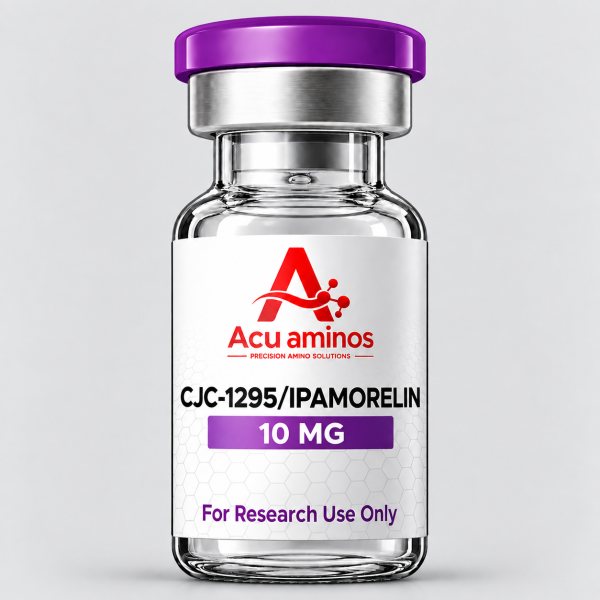
CJC-1295 / Ipamorelin 10mg
10 mg · CJC-1295 (no DAC) 5 mg + Ipamorelin 5 mg · ≥99% purity$84.99In stock -
99% Purity
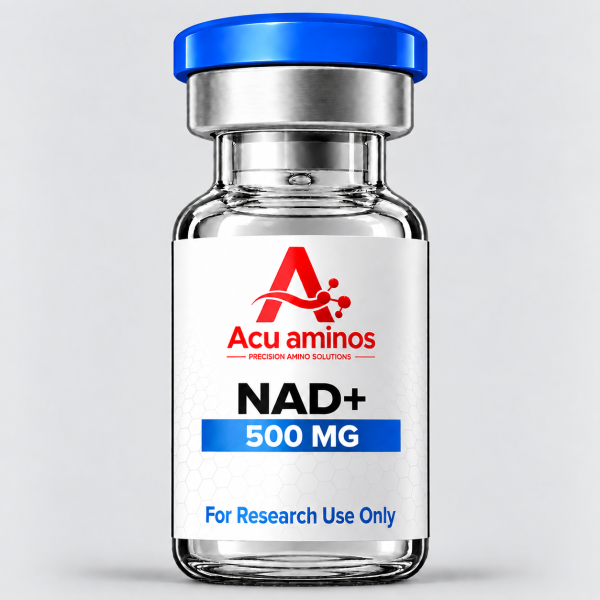 Mitochondrial & Longevity
NAD+ 1000mg
1000 mg · Nicotinamide adenine dinucleotide · ≥99% purity$94.99In stock -
99% Purity
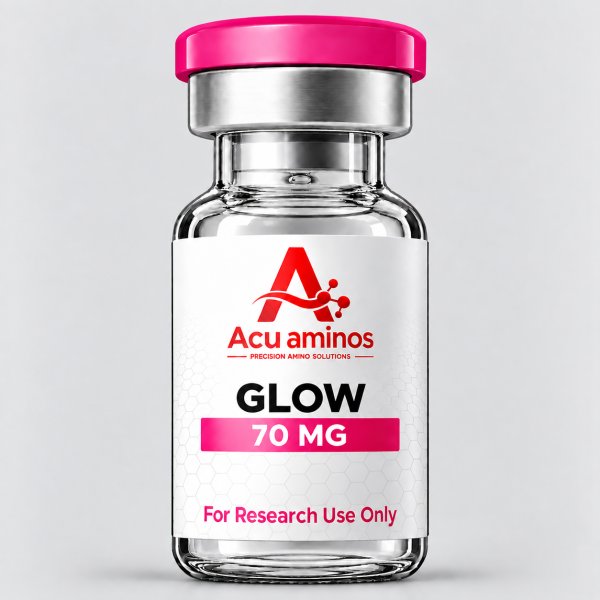 Tissue & Repair Signaling
GLOW 70mg
70 mg · GHK-Cu 50 / BPC-157 10 / TB-500 10 blend · ≥99% purity$119.99In stock