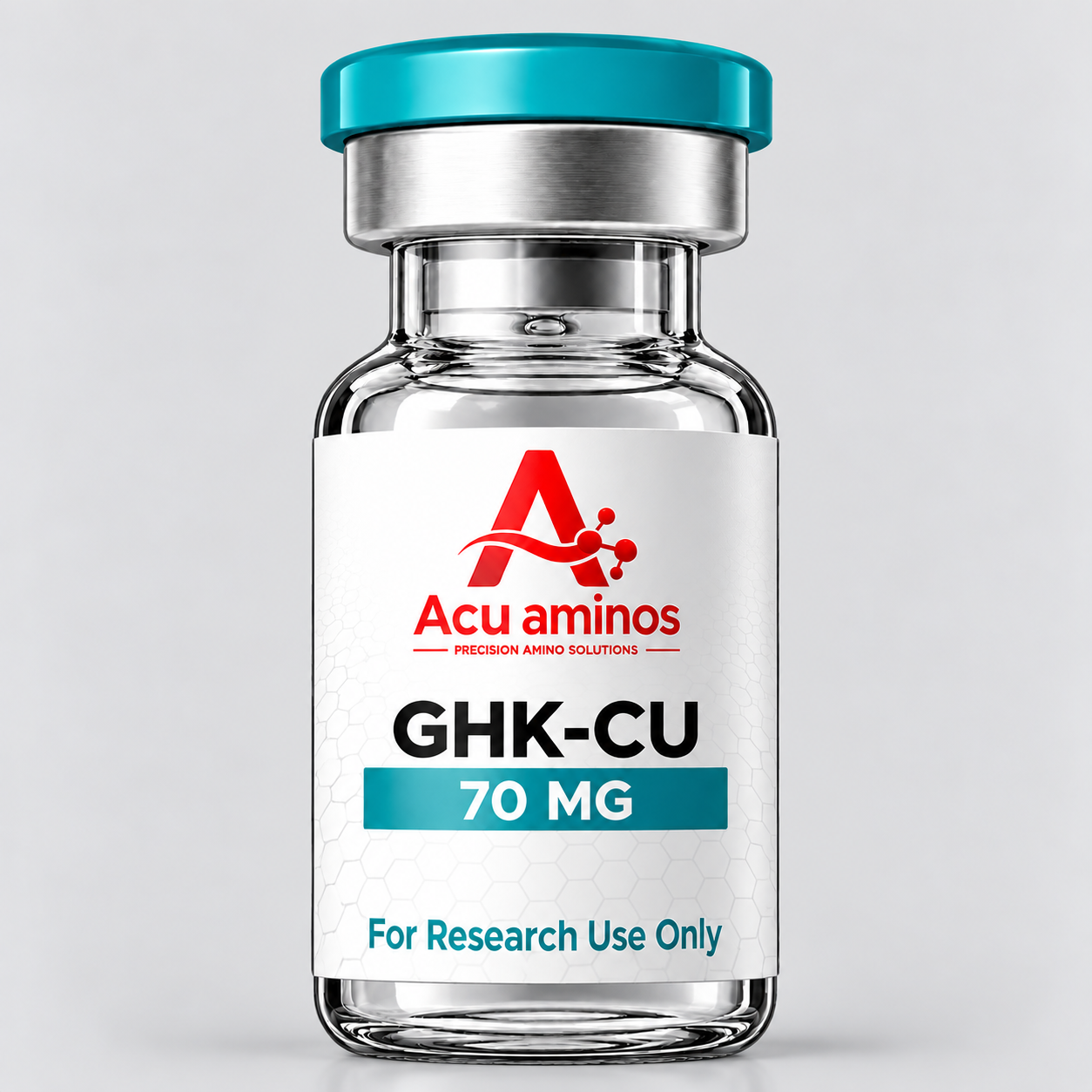
GHK-Cu 70mg
$59.99
Glycyl-L-histidyl-L-lysine copper(II) complex, 70 mg lyophilized. A naturally occurring tripeptide-copper chelate studied in extracellular-matrix, gene-expression and wound models. ≥99% purity, COA for every lot. Research use only.
Overview
GHK-Cu is the copper(II) complex of the tripeptide glycyl-L-histidyl-L-lysine. GHK was first isolated from human plasma in 1973 and was later shown to bind copper with high affinity, forming the GHK-Cu chelate. Its plasma concentration declines with age, which has made it a frequently studied peptide in regeneration, extracellular-matrix remodeling and gene-expression research.
Acu Aminos supplies GHK-Cu as a 70 mg lyophilized powder in a sealed glass vial, with HPLC purity and mass-spectrometry identity reported on the lot COA.
Chemistry & specifications
GHK is a linear tripeptide (Gly-His-Lys). The imidazole nitrogen of histidine, the α-amino group of glycine and the deprotonated amide nitrogen coordinate a single Cu²⁺ ion in a square-planar geometry, giving the complex its characteristic blue-violet color in solution. The lysine ε-amine remains free and contributes to the peptide’s interaction with proteoglycans and cell-surface proteins.
| Sequence | Gly-His-Lys · Cu(II) |
|---|---|
| Molecular formula (GHK) | C14H24N6O4 |
| Molecular weight | ≈340.4 g/mol (GHK); ≈403.9 g/mol (GHK-Cu) |
| CAS | 49557-75-7 (GHK-Cu) |
| Net content | 70 mg per vial |
| Form | Lyophilized powder |
| Purity | ≥99% (HPLC) |
| Appearance | Blue to violet lyophilized powder |
| Solubility | Water soluble |
| Storage | Lyophilized: −20 °C long term, 2–8 °C short term. Protect from light and moisture. |
Cellular structure & mechanism of action
In cell-culture and animal models, GHK-Cu has been reported to modulate the expression of a large number of genes, including those involved in collagen and glycosaminoglycan synthesis, metalloproteinase balance, and antioxidant defense. Proposed mechanisms include copper delivery to cuproenzymes such as lysyl oxidase and superoxide dismutase, interaction with fibroblast and endothelial cell receptors, and chemotactic effects on fibroblasts, macrophages and mast cells in vitro.
Gene-array analyses (Broad Institute Connectivity Map data reviewed by Pickart and Margolina) suggest GHK influences transcription across pathways related to tissue remodeling, DNA repair and inflammatory signaling, which is why it is widely used as a reference compound in dermal-fibroblast and wound-model research.
Research applications
- Dermal fibroblast collagen, elastin and decorin synthesis assays
- Extracellular-matrix remodeling and MMP/TIMP balance studies
- Angiogenesis and endothelial-cell migration models
- Copper-transport and cuproenzyme activity research
- Gene-expression profiling and antioxidant-pathway studies
Selected references
- Pickart L, Thaler MM. Tripeptide in human serum which prolongs survival of normal liver cells and stimulates growth in neoplastic liver. Nat New Biol. 1973;243:85–87.
- Pickart L, Vasquez-Soltero JM, Margolina A. GHK peptide as a natural modulator of multiple cellular pathways in skin regeneration. Biomed Res Int. 2015;2015:648108.
- Pickart L, Margolina A. Regenerative and protective actions of the GHK-Cu peptide in the light of the new gene data. Int J Mol Sci. 2018;19(7):1987.
References are provided to help researchers locate primary literature. Acu Aminos makes no claims about the safety or efficacy of any compound in humans or animals.
What are research peptides?
Structure
Peptides are chains of amino acids joined by amide (peptide) bonds. Short chains of 2 to roughly 50 residues are called peptides; longer chains fold into proteins. Sequence, chain length and terminal modifications define how a peptide behaves.
Synthesis & purity
Research peptides are built by solid-phase peptide synthesis, cleaved from the resin, purified by reverse-phase HPLC and lyophilized to a stable powder. Purity is reported as the HPLC area percentage of the target peak; identity is confirmed by mass spectrometry.
Laboratory use
In the lab, peptides serve as receptor ligands, enzyme substrates, signaling probes and reference standards in cell-culture, biochemical and analytical studies. Our products are supplied exclusively for these in-vitro research applications.
Handling & storage
Lyophilized peptides should be kept sealed, protected from light and moisture, and stored refrigerated or frozen for long-term stability. Allow vials to reach room temperature before opening to prevent condensation.
All information on this page is provided for educational and research reference only and does not constitute medical advice or a recommendation for use in humans or animals.
Related research peptides
-
99% Purity
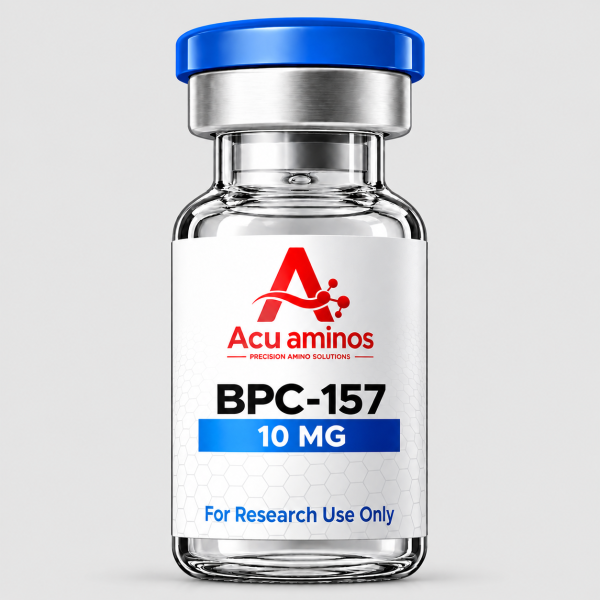 Tissue & Repair Signaling
BPC-157
5 mg or 10 mg · Gastric pentadecapeptide · ≥99% purityFrom $52.99In stockChoose size This product has multiple variants. The options may be chosen on the product page -
99% Purity
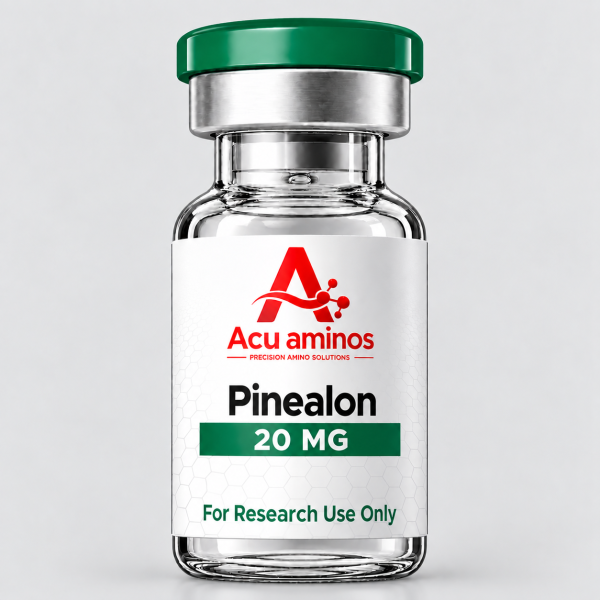 Immune & Neuro Peptides
Pinealon 20mg
20 mg · Glu-Asp-Arg bioregulator tripeptide · ≥99% purity$59.99In stock